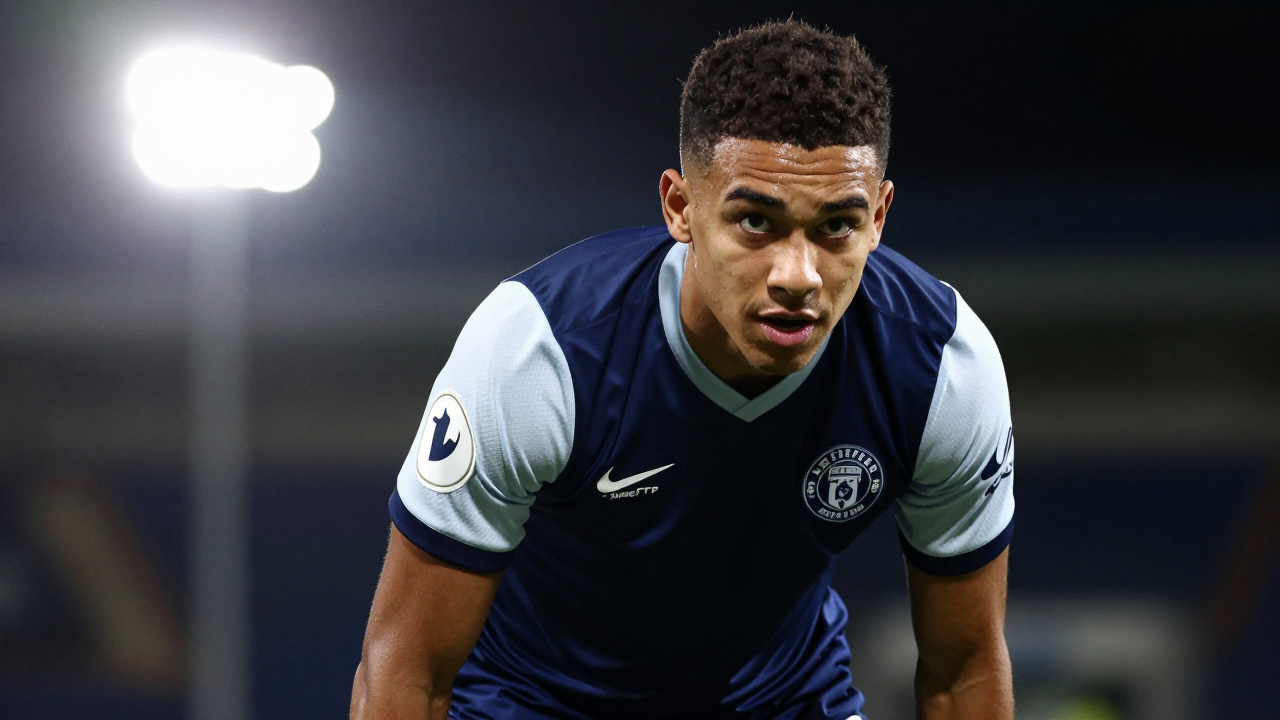

The SMH Group Stadium faithful have been treated to some truly scintillating football this season, a campaign that has seen our Spireites dominate the vast majority of opposition in League Two. While the gaffer and the squad deserve immense credit for the consistency and attacking verve displayed, even the best systems can benefit from a tactical deep dive and a few subtle tweaks to maintain an edge.
Our preferred 4-2-3-1 setup has been a cornerstone of our success, providing both defensive solidity and attacking fluidity. We've seen superb possession stats, with the midfield engine room – often orchestrated by the likes of Naylor and Oldaker – dictating tempo and distribution. The attacking thrust from full-backs such as Clements and Horton is a key weapon, providing width and overloading flanks, allowing our wide forwards like Mandeville and Dobra to drift inside and operate in dangerous pockets. Up front, the movement and predatory instincts of Grigg have ensured a constant threat.
However, recent form, while still largely positive, has shown a couple of recurring patterns that astute observers might pinpoint for refinement. Firstly, against teams content to sit in a deep block, our intricate build-up play, while aesthetically pleasing, can occasionally lack the killer incision. We sometimes get caught playing one too many passes around the box, allowing defences to reset and deny clear shooting opportunities. This can lead to frustration and a reliance on moments of individual brilliance rather than consistent system-generated chances.
Secondly, while our attacking full-backs are crucial, their advanced positions can sometimes leave us vulnerable to quick counter-attacks, particularly down the channels if the midfield pivot isn't quick enough to cover. A couple of goals conceded recently have stemmed from rapid transitions where our defensive shape wasn't fully set, highlighting a need to tighten up our defensive transitions and recovery runs.
So, what tactical tweaks could the gaffer consider without ripping up the blueprint of success? For breaking down stubborn low blocks, introducing more variety in our attacking patterns would be beneficial. Encouraging earlier crosses from deeper positions, or more unpredictable runs from the second line of midfield into the box, could add an element of surprise. We could also experiment with a more direct ball into Grigg's feet or into the channels more frequently, allowing him to hold up play or spin his marker, rather than always building through intricate passes.
Defensively, a minor adjustment could involve one of the deeper midfielders, perhaps Naylor, being given a slightly more disciplined screening role in specific phases of play, especially against counter-attacking sides. This would provide an extra layer of protection, allowing the attacking full-back to commit with less risk. Alternatively, practicing a quicker, more aggressive counter-press immediately after losing possession in the opponent's half could stifle transitions before they gather momentum.
Another option could be subtle in-game formation flexibility. While the 4-2-3-1 is strong, having the ability to seamlessly shift to a 4-4-2 or even a 3-5-2 for short bursts – either to overload midfield, add another striker, or solidify the defence – could catch opponents off guard and offer different tactical solutions when the primary plan isn't quite clicking. This isn't about wholesale changes, but rather about enhancing adaptability and ensuring we remain one step ahead of our League Two rivals as we push towards the finish line.