
Introduction
As Chesterfield navigates the ups and downs of their League Two campaign, it's clear that tactical adjustments could be the key to unlocking consistent performances. Recent matches have revealed both strengths and weaknesses, prompting a closer examination of how the Spireites can tweak their approach to achieve better results.
Midfield Dynamics
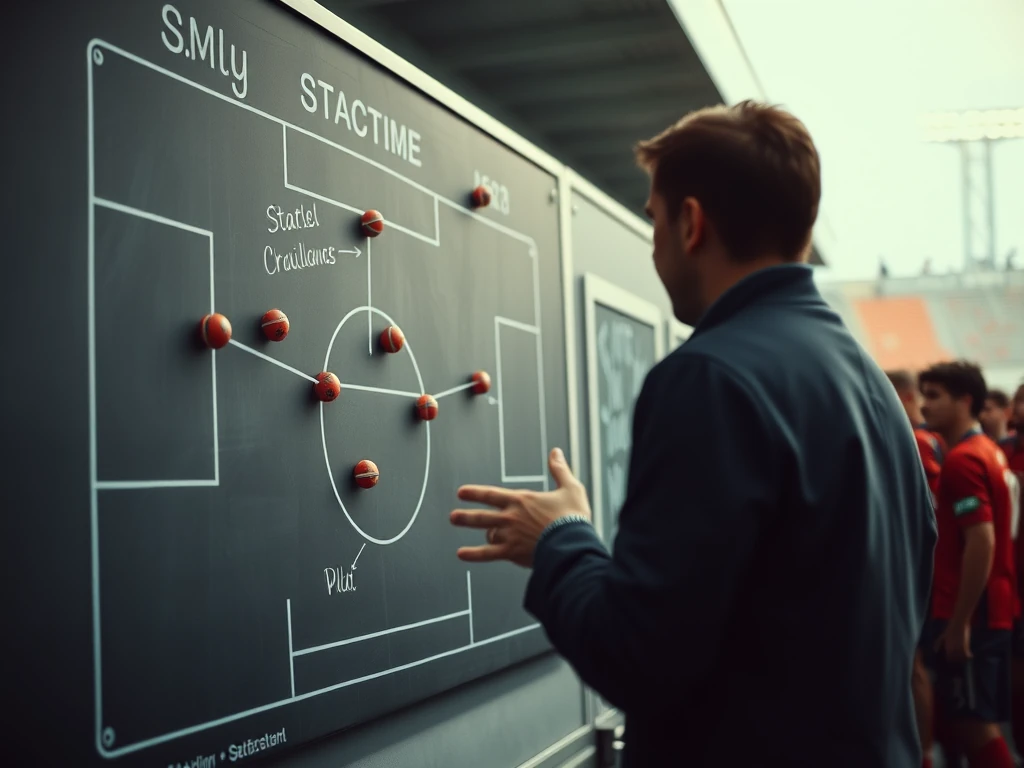
One of the most noticeable aspects of Chesterfield's recent form has been the midfield's inability to assert control throughout matches. While the attacking players have shown flashes of brilliance, the midfield has often been caught flat-footed, allowing opponents to dictate the pace of the game. To address this, a shift to a more central-focused formation, such as a diamond midfield, could provide the necessary stability.
In a diamond setup, Chesterfield can ensure they have more bodies in the center of the park, allowing for better ball retention and distribution. This would also release the wingers to focus on their attacking roles, creating width while not leaving the midfield exposed. Players like B. Hobson and C. Cook could thrive in this system, linking up with the forwards while also providing the necessary defensive cover.
Defensive Coordination
Defensively, Chesterfield has shown resilience at times, but communication errors and a lack of cohesion have led to unnecessary goals conceded. A more structured backline, potentially utilizing a back three, could solidify their defensive stance. This formation would enable the wing-backs to push forward, offering width in attack while still maintaining defensive solidity.
For instance, if K. McFadzean moves into a wing-back role, he can leverage his pace and stamina to support both the defense and the attack effectively. This ensures that Chesterfield can transition quickly between defense and offense, an essential aspect of modern football.
Pressing Game Tweaks
Chesterfield's pressing game has been intermittent; while they have shown the ability to win the ball high up the pitch, there have been moments where they have allowed opponents too much time on the ball. A more coordinated pressing strategy, perhaps spearheaded by L. Bonis, could lead to more turnovers and scoring opportunities.
Implementing a staggered pressing approach would allow Chesterfield to apply pressure selectively, saving energy while still being effective. It would also prevent exhaustion in the latter stages of matches, where lapses in concentration have often led to conceding late goals.
Conclusion
As Chesterfield looks to improve its fortunes in League Two, these tactical tweaks could provide the edge needed to climb the table. By focusing on a cohesive midfield structure, enhancing defensive organization, and refining their pressing strategy, the Spireites can harness their potential and push for a stronger second half of the season. With the right adjustments, fans can be hopeful of a more consistent and competitive Chesterfield side that embodies the fighting spirit of the club.